Are you considering installing a stove into your existing fireplace? This guide will give you a run-down of the basics, and some useful tips for choosing the right stove for your needs. If you're planning to install a freestanding unit, have a look at our dedicated guide here.
(See video 1:30)
Consider the stove's output. Ask yourself if a five-kilowatt nominal output stove would suffice for your needs. While larger units may seem appealing, any stove that has a nominal output over 5kw will require an air brick in the room, and if the property is a new build, it will require a direct air feed as well. 5kw stoves come in a huge variety of shapes and sizes. If you are considering a stove with a high kilowatt output because you have a large fireplace, you may be able to find a 5kw stove in the size you require.
Stoves with a nominal output of 5kw and under won’t require any additional ventilation, so you don’t have to worry about knocking a hole in the wall to meet regulations (although some exceptions may apply). If you know you need a higher kilowatt output to heat your space, then it’s important to be aware of the ventilation requirements so you can keep yourself and your home safe and compliant. For a comprehensive guide to air bricks and direct air feed requirements, please see our guide.
Quick tips:
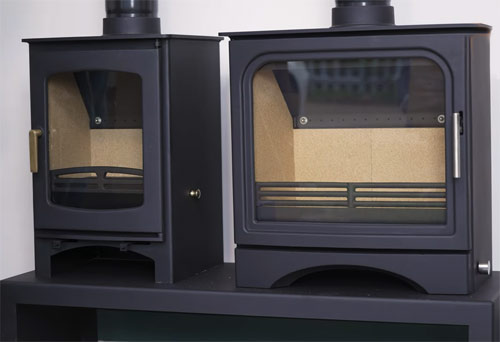
Both of these stoves have a 5kw nominal output despite being different sizes
(See video 4:15)
Next, consider the stove's approval, particularly if it's Defra approved. If you're in a smoke-free zone in a built-up residential area or if you're planning on installing the stove into a five-inch chimney system, then your stove will need to be Defra Approved. Defra approved stoves will not fully close off, so there will be a little bit of air flowing through the stove at all times. Most units these days are Defra approved, especially newer models, but it's worth keeping in mind as it won’t be legal to instal a non-Defra stove in a smoke-free zone.
For a low-carbon solution to home heating, consider a stove with clearSkies certification. clearSkies is an independent emissions and energy performance certification scheme. Read more about clearSkies here.
In addition, all stoves manufactured since 2022 are required to be EcoDesign compliant. Long before that, Stove World UK was amongst the first companies to begin designing and selling EcoDesign stoves. You can read more about EcoDesign here.
Quick tips:
(See video 5:30)
When selecting a stove, also determine the type of fuel you'll be burning.
Smokeless coal needs good air-flow from below it to ignite and burn well, whereas wood burns best on a flat base. Multi-fuel units have grates for the fuel to sit on and get the air flow from underneath, whereas wood-only units don’t allow air flow from underneath and can only burn wood.
Keep in mind that multi-fuel stoves often require compromises due to differences in how the different fuels burn best. However, some multi-fuel units have separate grates, allowing effective combustion of both wood and smokeless coal very well.
While multi-fuel stoves offer versatility, if your primary fuel is wood, opting for a wood-only stove might be more efficient. If you know you will be burning both wood and smokeless coal, then a multi-fuel unit will be necessary. Ultimately, choosing the right stove depends on your fuel preferences and usage habits.
Quick tips:
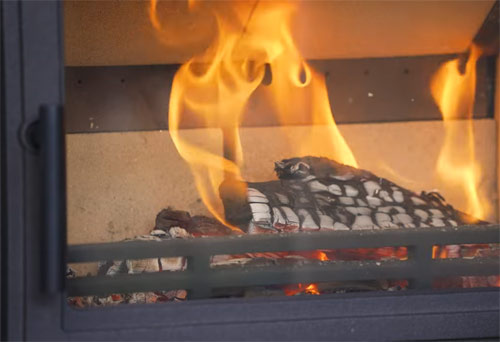
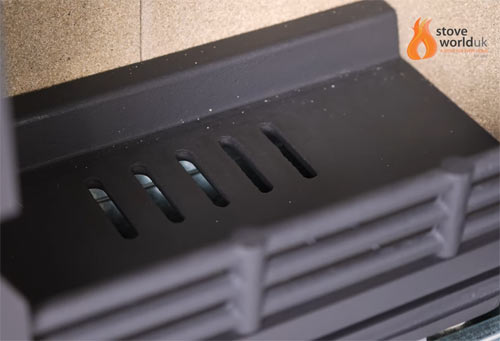
A multifuel grate with gaps allowing air flow under smokeless coal
(See video 7:26)
Consider the opening size of your fireplace. While it's tempting to choose the largest stove possible, allow ample space for airflow around the stove. Bear in mind recommendations from manufacturers regarding clearance distances, you can usually find these in the stove’s manual. You may also utilize accessories like a rear flue box to optimise space and heat output. Using a rear flue outlet will situate your stove further forward in the fireplace recess, making it easier for heat to radiate into your room, and might be beneficial if you have a deep fireplace.
Additionally, ensure there's enough clearance in front of the stove to comply with safety regulations. The amount of distance combustible materials can be from your stove is strictly regulated for safety. Your fireplace is most likely made from a non-combustible material like brick or stone, but if it’s not, or you’re planning on lining the fireplace with something else, you’ll have to be cautious. If you are boarding out the fireplace, use heat-resistant materials and allow for proper airflow to prevent damage or fires. You can learn more about distance to combustibles regulations in our dedicated guide here.
Quick tips:
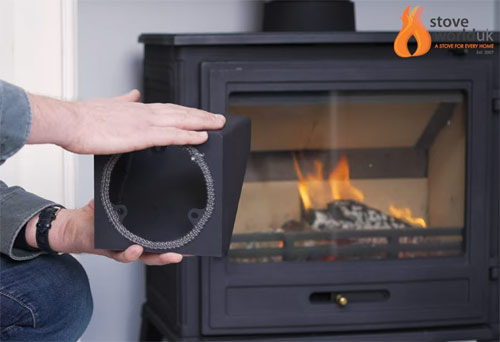
Example of a rear flue box
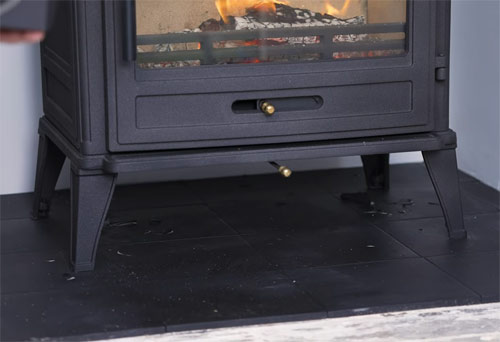
Hearth protecting the combustible floor
(See video: 0:17)
Once you know your parameters, you can try to find a stove that fits them and appeals to your chosen aesthetic. It should serve as both a practical heating source and a complement to the room's aesthetics. Therefore, explore various stove options, considering different shapes, sizes, and handle designs. You can opt for more traditional-looking units, such as with brass handles, brass knobs, and a cast iron door and body. Alternatively, you might prefer a more modern design like the Hooga 5, with a stainless steel handle, a sizable glass panel, and a curved front. Many of our stove ranges offer multiple handle options, allowing you to customize the appearance to suit your preference. We also have several variations of our best-selling Panoramic models, ranging from cast iron bases, moulded fronts, and double-door designs. Stove stands are another way to customize the stove’s appearance, and can give some height to a low stove if your fireplace has a tall ceiling.
If you’d like your stove to really pull focus in a room, we offer a wide range of coloured and enamel stoves in grey, blue, white, red, and green.
Quick tips:
If you need further help or have any questions about a fireplace stove installation, you can call us on 01256 889 397 or email team@stoveworlduk.co.uk, and our friendly team will be happy to help.
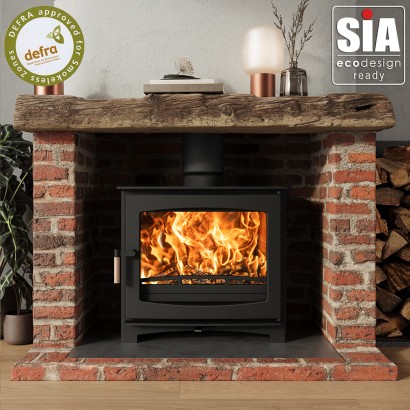 In Stock
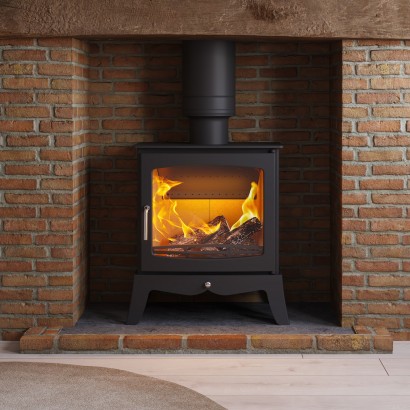 In Stock
 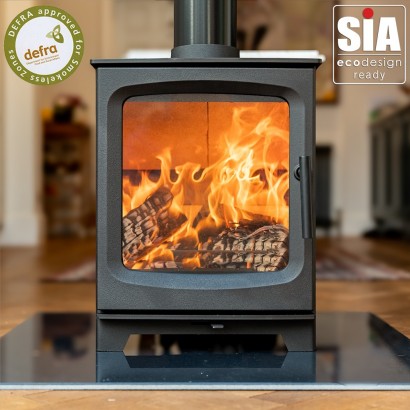 In Stock
  Out Of Stock
  In Stock
  In Stock
  In Stock
  In Stock
 -410x410.jpg "Emerald Green Enamel - Ecosy+ Rock Landscape 5kw - Defra Approved - Eco Design Ready - Multi-Fuel Stove - Cast Iron") In Stock
In Stock  In Stock
